Solar designed and installed by your local NETCC-approved team
Home and business battery storage, with rebates and finance sorted for you
Licensed electrical work across the Hunter
Areas we service Newcastle · Lake Macquarie · Hunter
Solar designed and installed by your local NETCC-approved team
Home and business battery storage, with rebates and finance sorted for you
Licensed electrical work across the Hunter
It is not one rebate. Solar and battery incentives in NSW are a stack of separate schemes that work in different ways. We design a system you qualify for and apply what you are eligible for in your quote, so you see the real net price, not a headline number.
If you have been trying to work out the solar rebate in NSW, you have probably hit the same problem we hear every week: most of what you read lumps everything together as one "rebate". It is not one rebate. There are several separate incentives, and they work in different ways.
A NSW household adding solar and a battery may be able to use a federal upfront discount on solar, a federal battery rebate, a NSW state battery incentive, and an ongoing feed-in tariff for the energy they export. Some stack together, some do not, and the rules change from year to year. Applied well, these can take a meaningful amount off the upfront cost, but the honest rule is that final figures and eligibility are always confirmed at quote stage.
An upfront, point-of-sale discount on eligible solar panels, through the Small-scale Renewable Energy Scheme (STCs). Applied by your installer, not claimed back later.
A national upfront discount on eligible home batteries and storage, delivered the same way: off your quoted price through an accredited installer.
A NSW state incentive for an eligible battery, often tied to joining a Virtual Power Plant (VPP). Delivered through an approved provider under the state scheme.
An ongoing bill credit your retailer pays for the excess solar energy you export. Retailers set their own rates, so it is not a fixed government amount.
Not a rebate: a NSW Government zero-interest loan of up to $15,000 over 10 years, covering whatever is left after the rebates come off. We are an approved supplier.
These do not all apply to everyone, and they stack differently depending on your system, your property and current eligibility rules. We confirm exactly what you qualify for before you commit to anything.
What most people call "the solar rebate" is the Small-scale Renewable Energy Scheme, and it works through small-scale technology certificates (STCs). This is the biggest thing we correct: it is a point-of-sale discount, not a cheque you claim back from the government later.
An eligible rooftop system earns a number of certificates based on its size, its expected output and where you live. Your installer discounts the value of those certificates off your price upfront, then claims and sells the certificates themselves, so you never handle the paperwork or wait for a refund. One honesty point: the scheme steps down over time and is legislated to phase out, so the discount is worth more today than it will be later.
This is the part most people mean when they search the solar battery rebate. There are two separate things, and people routinely mix them up.
The federal battery rebate is a national upfront discount on eligible home batteries, delivered the same way as the solar STC discount: off your quoted price through an accredited installer, not a cash-back claim you lodge yourself. Separately, NSW runs its own state battery incentive, with its main support delivered through a Virtual Power Plant (VPP) scheme, where the network can draw on your battery at peak times in exchange for a benefit. Whether you can use both at once depends on the current rules. That is exactly the kind of thing we confirm before quoting.
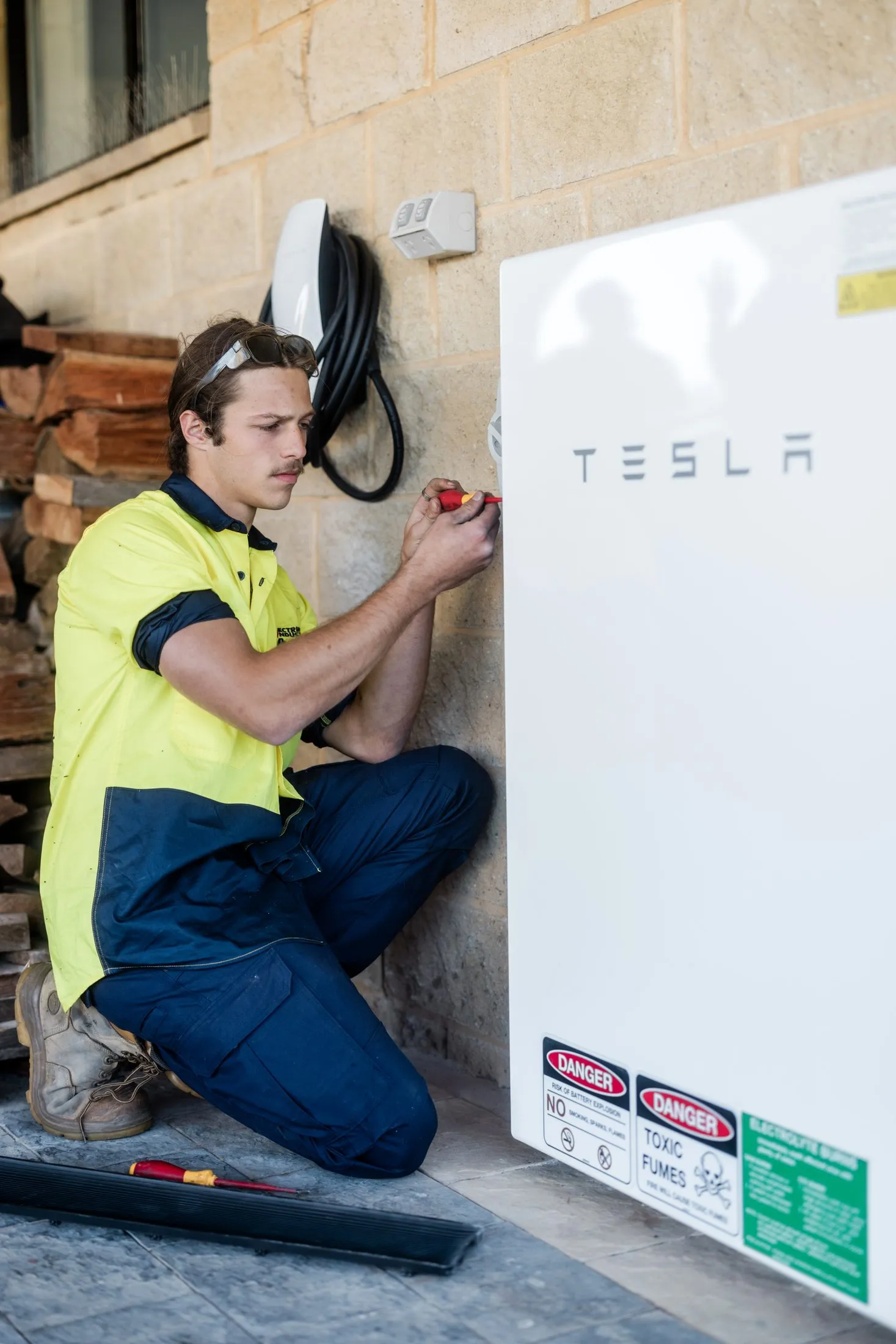
This one is not a rebate, and that trips people up. The NSW Government's Home Energy Saver program lends eligible households up to $15,000 at zero interest to cover what is left after the rebates come off. Where a rebate reduces the price, the loan spreads the balance, so the two work together rather than competing. Electrified Industries is an approved supplier, which means we can quote and install the work the loan pays for. Approval was not automatic, and being NETCC approved is part of what made it possible.
Repaid over up to 10 years, with no interest and no fees. It covers the balance left after every rebate you qualify for has come off the price.
The headline test is your combined taxable household income. Final eligibility is confirmed by the finance provider rather than by us.
The program also covers insulation, reverse-cycle air conditioning, ceiling fans and draught-proofing. The first three are the ones we handle directly.
So the loan is not an alternative to the rebates. It is what turns the post-rebate figure into a monthly payment instead of an upfront one. For a household adding solar and a battery together, that is often the difference between doing it this year and putting it off.
The STC solar discount and the federal battery rebate are both upfront, point-of-sale discounts. The value comes off your quoted price when you buy from an accredited installer. You do not lodge a claim, and you do not wait for a refund.
The feed-in tariff is the exception: it is an ongoing credit your retailer pays for exported energy, and it shows up on your power bill over the life of the system rather than as an upfront reduction.
Feed-in rates are set by retailers, not the government, and they have fallen over the years. That is a big part of why a battery often makes more sense than exporting cheaply. You store your daytime solar and use it at night instead of buying power back at a much higher rate.
The real lever on your bill is self-consumption: using more of your own solar and drawing less from the grid. We design around that first and treat exported energy as the bonus, not the goal.
Eligibility is not one single test. Each incentive has its own rules. As a rough guide, most eligible households need to meet conditions like these before an incentive applies. We check every one against your actual property and system before quoting.
Reading a government page is one thing. Getting the right system designed, installed and every eligible incentive applied to your actual price is another, and that is the part we take care of.
A Newcastle and Hunter family team that designs a system you actually qualify for, then handles the incentive side for you.
CEC-accredited installers and licensed electricians, a hard eligibility requirement for most of these schemes, not a nice-to-have.
We apply the discounts in your quote, so you see the true price to pay, not a headline figure with the rebate to sort out later.
Solar, battery and electrical in one crew, so switchboard, metering and connection work are done by the team that installs your system.
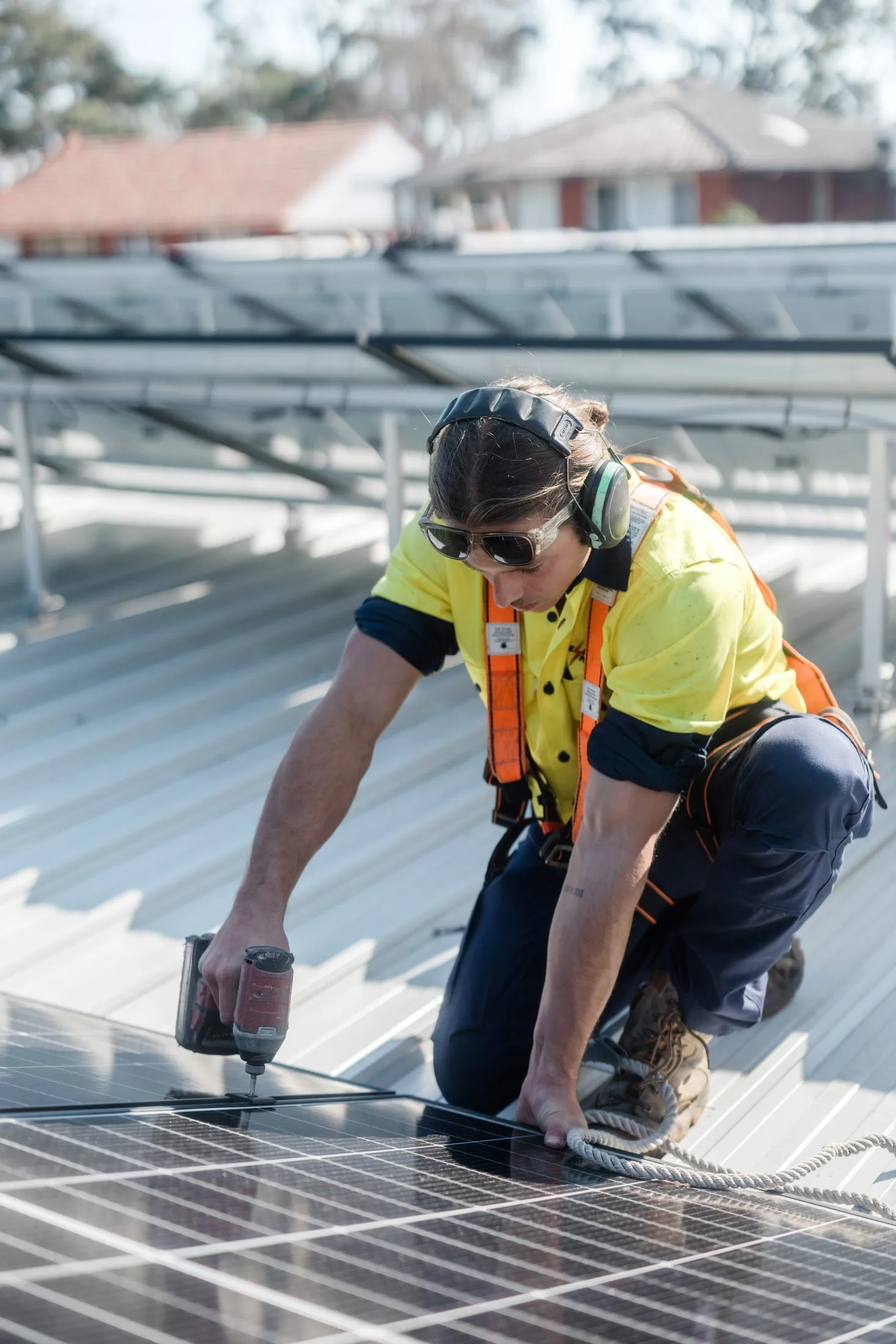
Talk to a licensed local electrician, no obligation, straight answers.
It depends on your system size, your battery choice and current certificate values, so there is no single dollar figure. The federal STC discount scales with the size of your solar system and its expected output; the battery rebate scales with usable battery capacity; and the NSW incentive plus the feed-in tariff can add further amounts on top. We build a worked example for your exact address at quote stage rather than quoting a headline number.
Mostly federal. The main solar rebate, the STC discount on panels, is a Commonwealth scheme that applies nationwide, not a NSW state one. The NSW government’s own programs, such as the state battery and Virtual Power Plant incentive, sit alongside that federal discount rather than replacing it. That is why "solar rebate NSW" is really a stack of federal and state programs together.
The "$7,000" figure gets shared a lot, and it is usually out of date or a mix of different incentives added together. There is no single "$7,000 rebate". What you can actually access is a combination: the federal battery rebate, the STC solar discount, and possibly the NSW battery incentive. And the combined value depends entirely on your system and eligibility. We work out the real number for your situation.
The STC solar discount steps down each year and is legislated to phase out over time, and battery program values can change with government policy. There is no need to panic-buy, but it is fair to say the STC discount is worth more today than it will be in future years, so there is a genuine reason not to sit on it indefinitely.
This is the key stacking question, and the answer depends on the current rules for both programs. Because it changes and depends on your specific battery and property, we confirm exactly what can be combined for you at quote stage rather than giving a blanket answer.
No. The STC solar discount and the federal battery rebate are both upfront point-of-sale discounts. The value comes off your price when you buy, applied through your accredited installer. You do not lodge a claim or wait for a refund. The feed-in tariff is different: it is an ongoing credit on your electricity bill for the energy you export.
Often yes. Adding a battery to an existing solar system (a retrofit) can be eligible for the battery incentives, though the exact rules apply. It is one of the most common jobs we handle. We confirm retrofit eligibility for both the federal and NSW schemes as part of your quote.
It is the NSW Government’s Home Energy Saver program, and it is a loan rather than a rebate. Eligible households can borrow up to $15,000 at zero interest, with no fees, repaid over up to 10 years, towards solar, a battery, a switchboard upgrade, insulation, reverse-cycle air conditioning, ceiling fans or draught-proofing. The headline eligibility test is a combined taxable household income up to $210,000. We are an approved supplier, so we can quote and install the work it pays for.
Yes, and that is the point of it. Every rebate you qualify for comes off the system price first, then the loan covers whatever balance is left. So the loan is not an alternative to the rebates, it is what turns the post-rebate figure into a monthly payment instead of an upfront one.
Obligation-free quotes across Newcastle, Lake Macquarie & the Hunter.