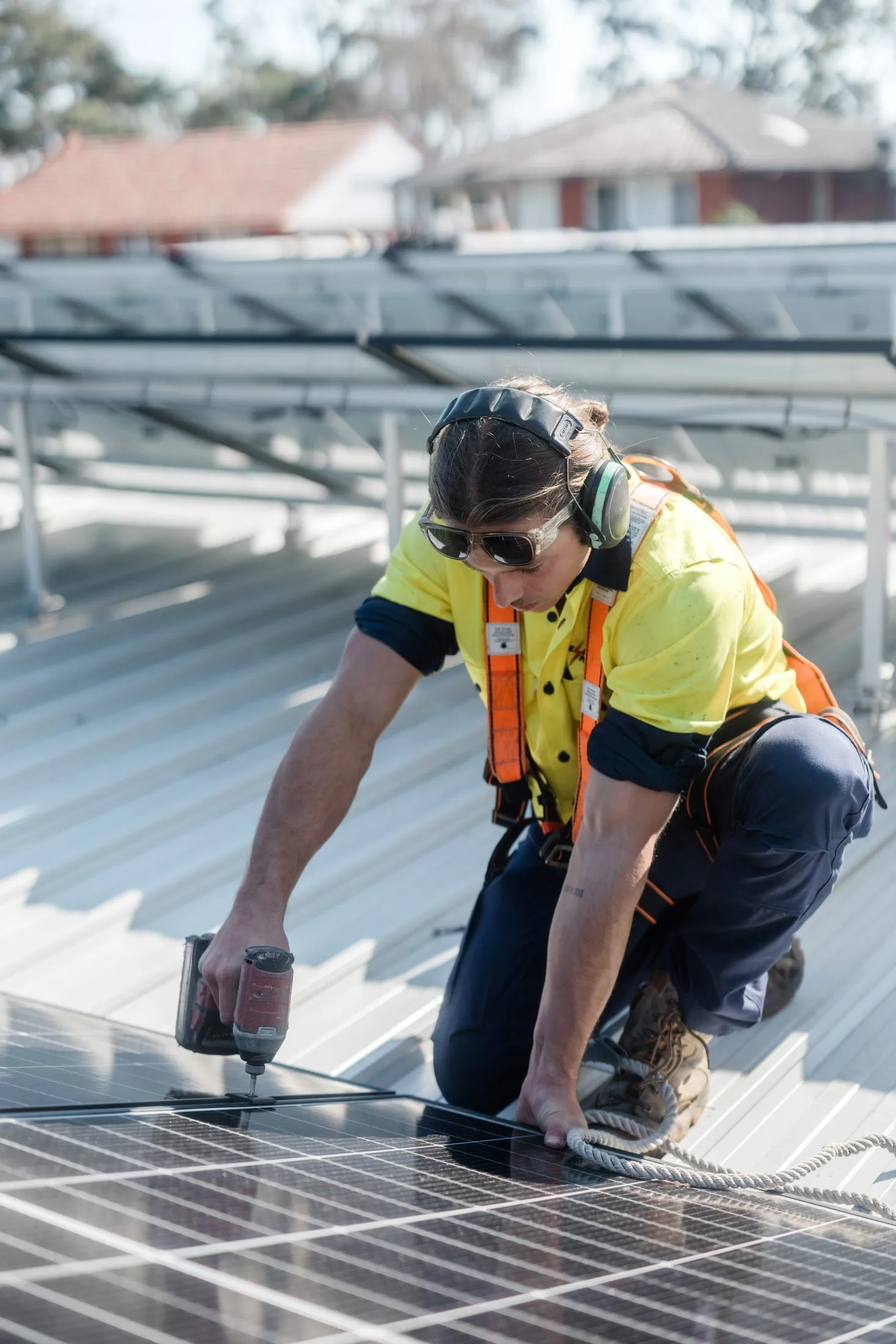
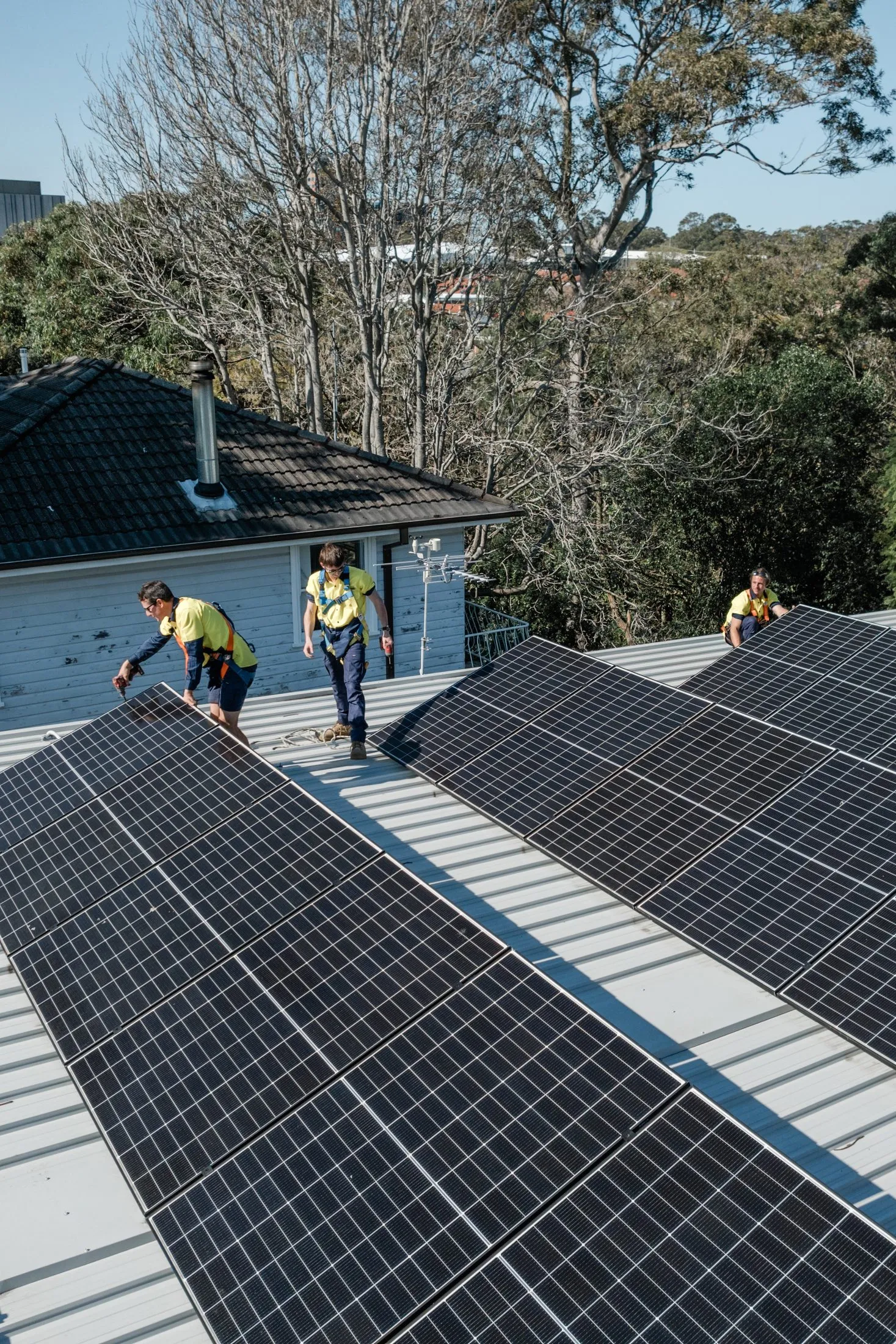
Solar designed and installed by your local NETCC-approved team
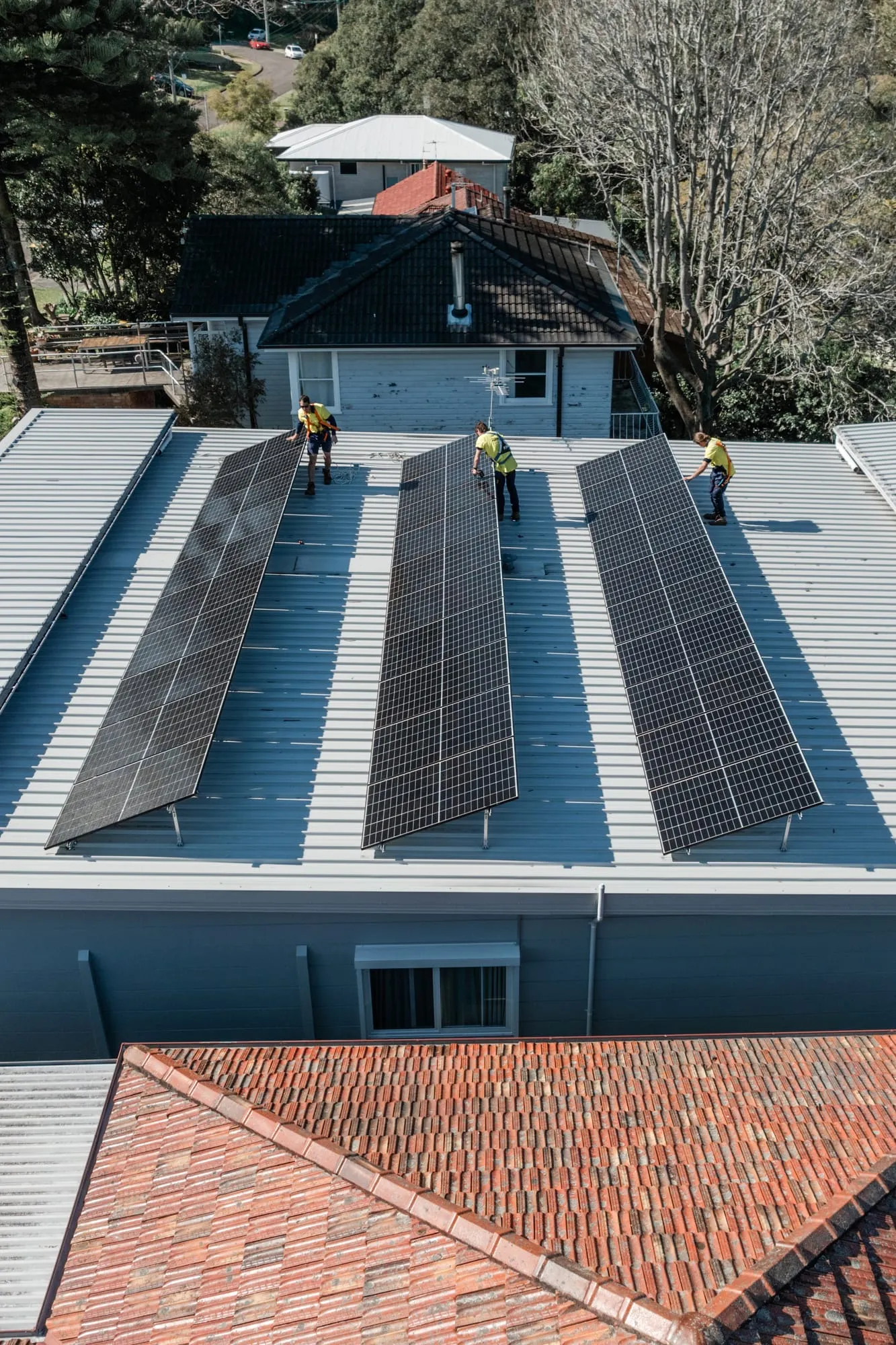
Home and business battery storage, with rebates and finance sorted for you
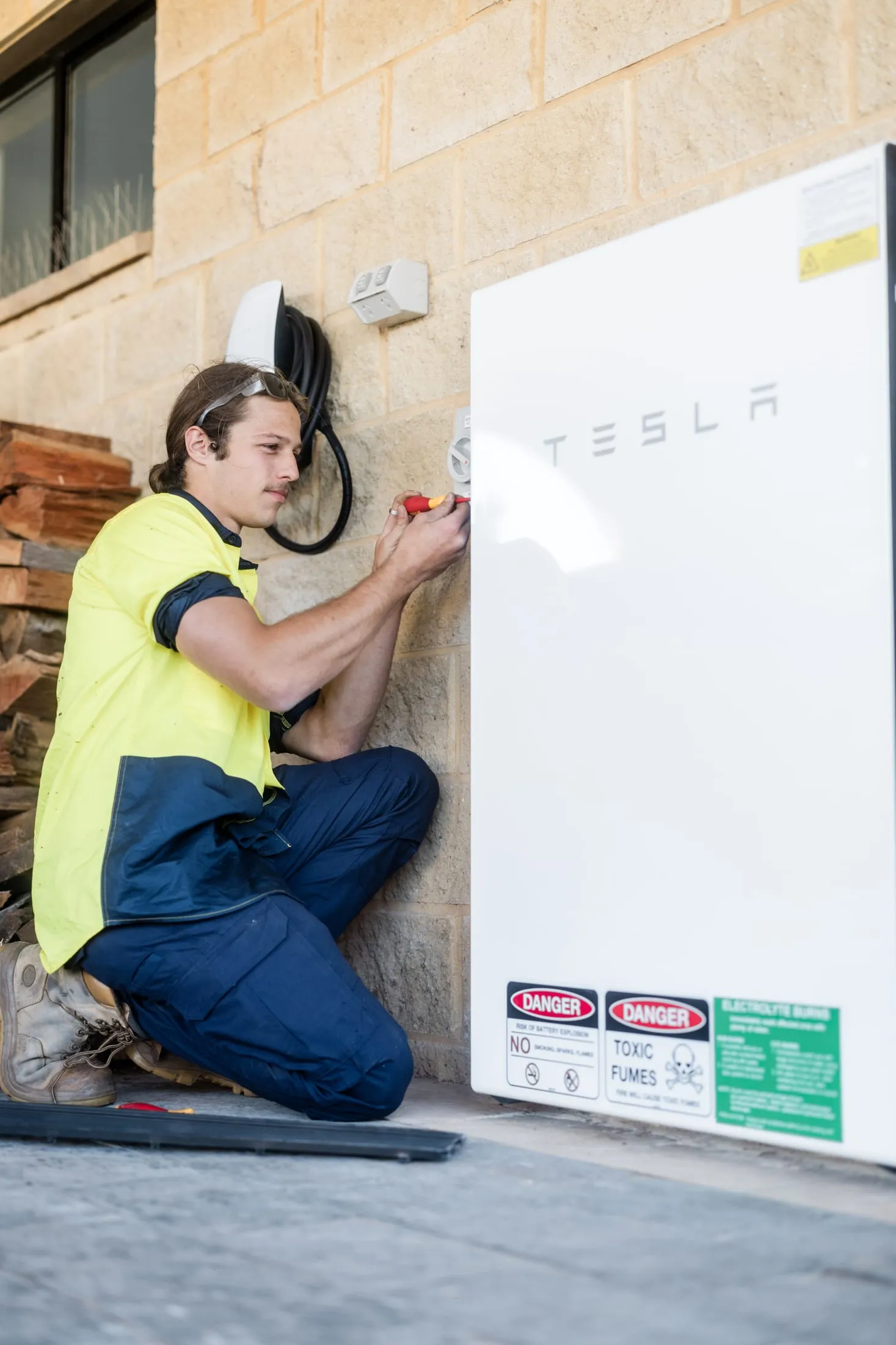
Licensed electrical work across the Hunter
Areas we service Newcastle · Lake Macquarie · Hunter
Solar designed and installed by your local NETCC-approved team
Home and business battery storage, with rebates and finance sorted for you
Licensed electrical work across the Hunter
Turn a rising, fixed power bill into a predictable, owned asset. We size a commercial solar system to how your business actually uses energy, and handle the solar and the electrical as one accountable local team.
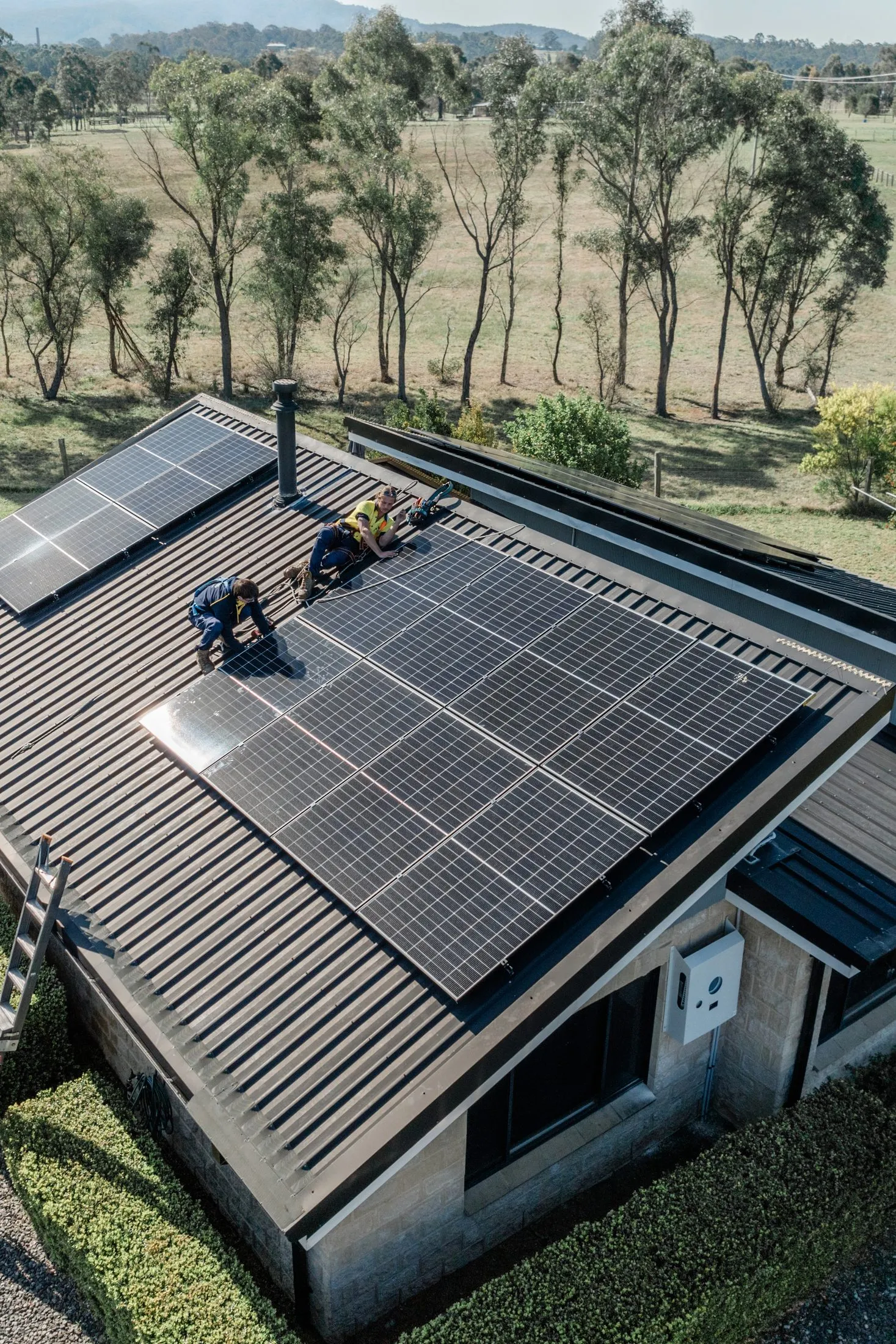
For most Hunter businesses, grid electricity is one of the largest fixed costs on the books, and it keeps climbing. A properly sized commercial solar system offsets the daytime load your business already runs on, so you buy less power from the grid and turn an unpredictable expense into a predictable, owned one that keeps generating for years after it has paid for itself.
Unlike a home that sits empty during the day, most businesses use the bulk of their power between sunrise and sunset, exactly when the panels are generating. That means more of every kilowatt gets used on-site rather than exported for a small feed-in tariff. It matters even more once you factor in commercial tariffs and demand charges, where daytime power is at its most expensive. Offsetting that peak draw with your own solar is why a commercial system usually returns more strongly than a typical home setup.
Most of your load runs between sunrise and sunset, exactly when the panels are generating.
You own the premises or hold a long lease, so the system stays with the business it pays back for.
A big, mostly unshaded span: a workshop, shed or warehouse roof suits far more panels than a home.
A three-phase connection lets you run a larger system and generate more across the day.
Grid rates and network charges rise every quarter, and your power bill follows them up.
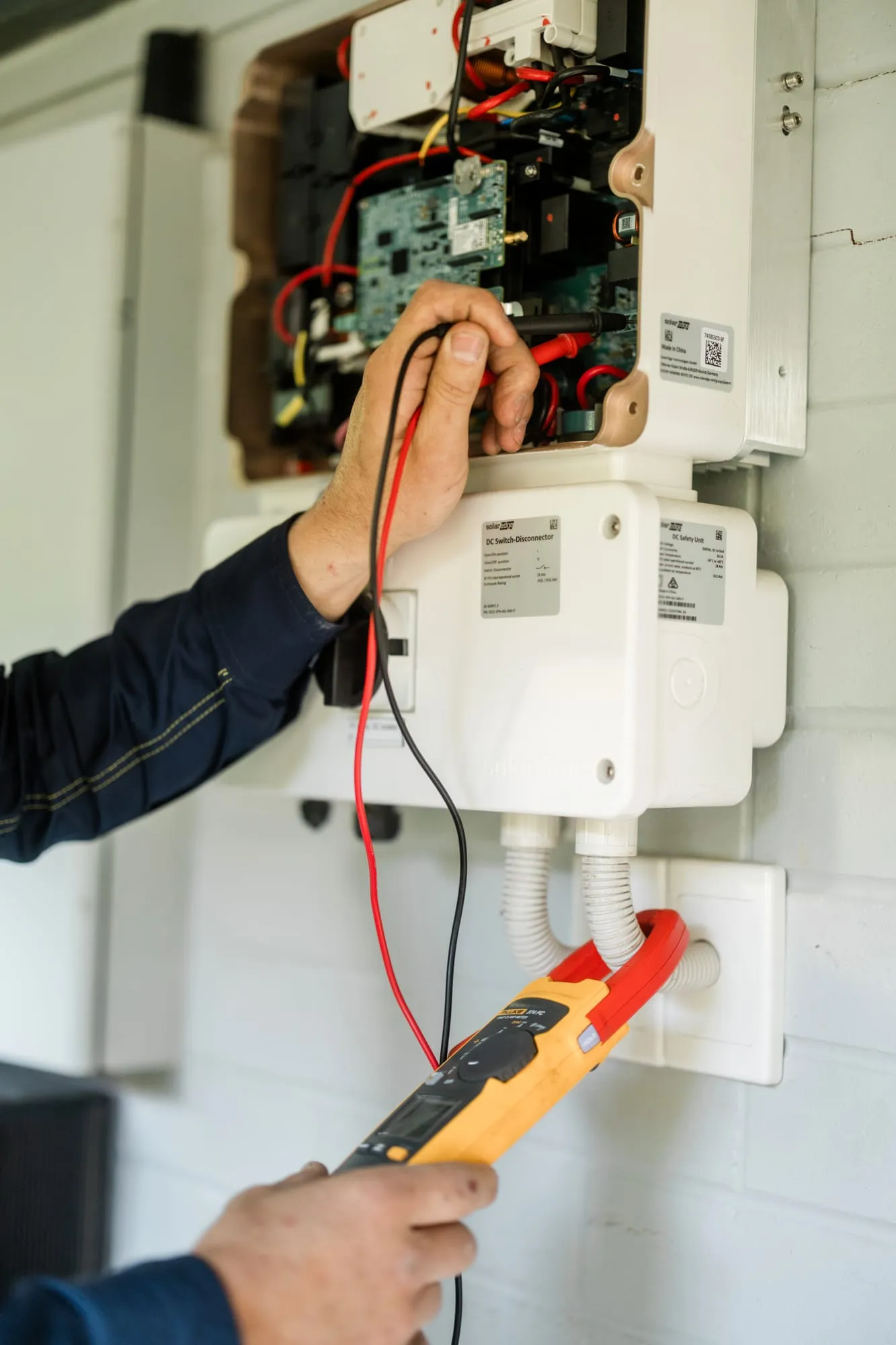
A switchboard or three-phase upgrade to support the array can be handled in-house at the same time.
If most of those describe your site, business solar is worth putting real numbers to. It is also a genuine step toward energy independence and a lower carbon footprint, something that matters more to customers and staff every year.
Commercial and residential solar work on the same physics, but the economics are different. A home exports most of its solar power because nobody is there to use it during the day. A business consumes it.
That single difference in energy use is why business solar tends to pay back faster than a home setup, and why sizing a commercial system is a different exercise entirely. Every unit of solar you self-consume beats exporting it at the feed-in rate, so the more you use as you generate it, the faster the system chips away at your bills.
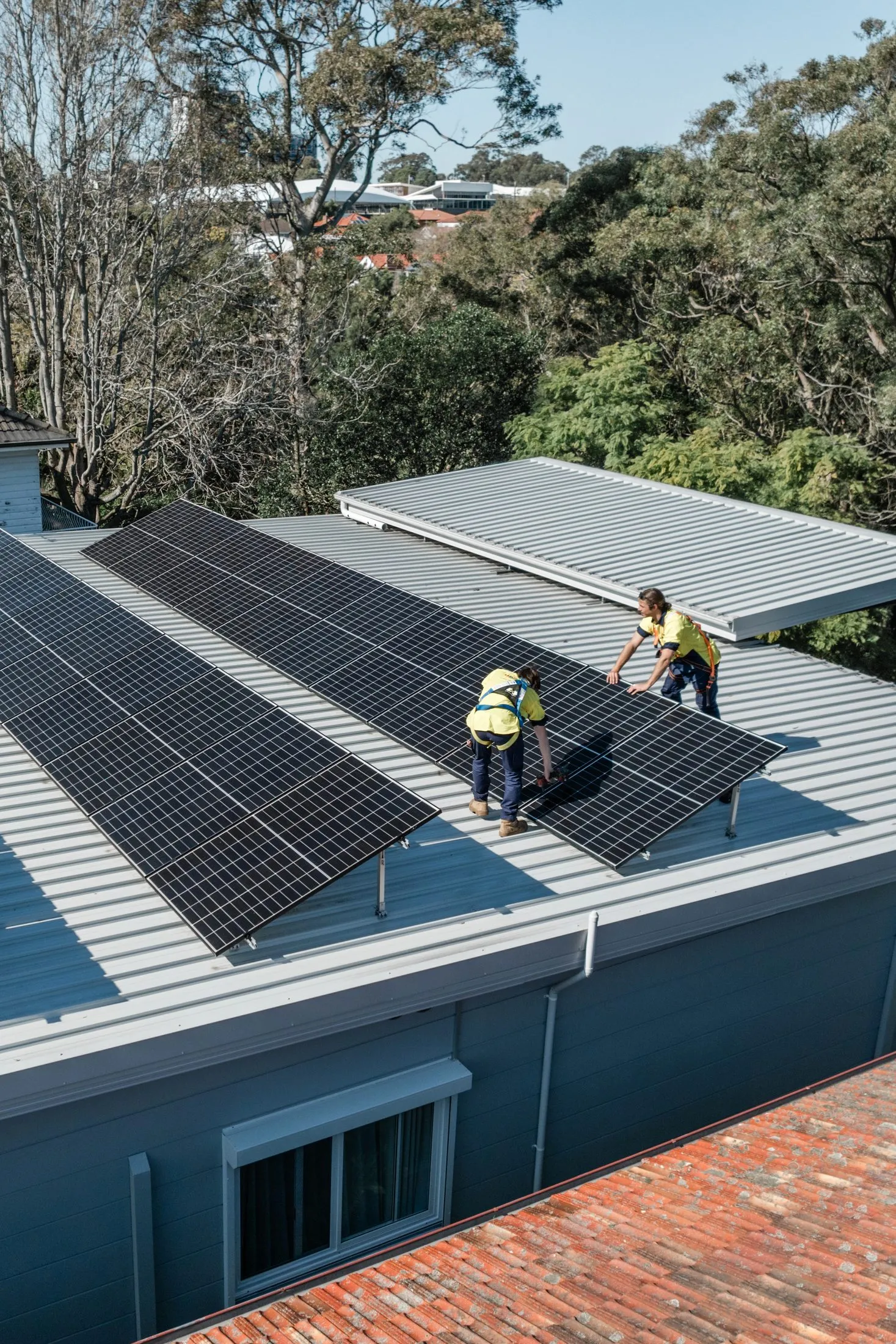
We do not sell a system off a shelf. Every job starts by understanding your load, then designing the solar around it, and we plan the install around your operation to keep disruption to a minimum.
We read your actual bills and interval data to see how and when your business uses power.
We check your roof space, orientation, access and supply on-site, no guesswork off a map.
We size the panels to your load profile and roof, so you pay for capacity you can actually use.
You get an upfront scope and price, with a realistic payback worked out for your site.
Our team fits the panels, inverter, mounting and any electrical work as one coordinated job.
We are here after the install for monitoring, servicing and maintenance across the region.
The price is driven by system size, your roof type and access, any three-phase or switchboard work, and whether you add a battery. The return is driven by something different, mainly your daytime self-consumption, your tariff and the size of the system relative to your load.
The right way to think about it is the payback period, the time it takes for the savings to cover the upfront cost, followed by many years of low-cost generation once the system has paid for itself. Quality panels typically carry a long lifespan, so the asset keeps working long after payback. We will not quote a headline saving here, because the only accurate figure is one based on your actual roof, usage and bills.
Small-scale Technology Certificates (STCs) reduce the upfront cost of systems up to 100kW, while larger systems use Large-scale Generation Certificates (LGCs) instead. These are the main way federal policy lowers the cost of a commercial install.
Businesses may also be able to use instant asset write-off or depreciation on the investment, though that depends on your circumstances. Confirm it with your accountant. Scheme thresholds and values change over time, so we work off the current rules at the time of quoting. For the full breakdown, see our solar rebates guide.
The right size comes down to how much power you use during the day, your roof, and your supply. Flat or metal commercial roofs, the kind on workshops, sheds and light-industrial premises, suit far more panels than a home ever could.
Commercial systems commonly range from around 10kW up to 100kW and beyond, depending on load and roof space. We size the panels to your load profile so you are not paying for capacity you cannot use, or leaving savings on the table with a system that is too small.
A battery extends the value of a commercial solar system beyond daylight hours, holding the power you do not use during the day for early starts, after-dark operation, or to support critical loads if the grid drops. On demand-based tariffs, it can also help shave peak draw.
A battery is a considered add-on, not an automatic yes. It tends to make sense where your usage runs well past sunset or where demand charges are steep, and less so where your load sits neatly within daylight hours. We assess it case by case and can build the system battery-ready if now is not the right time.
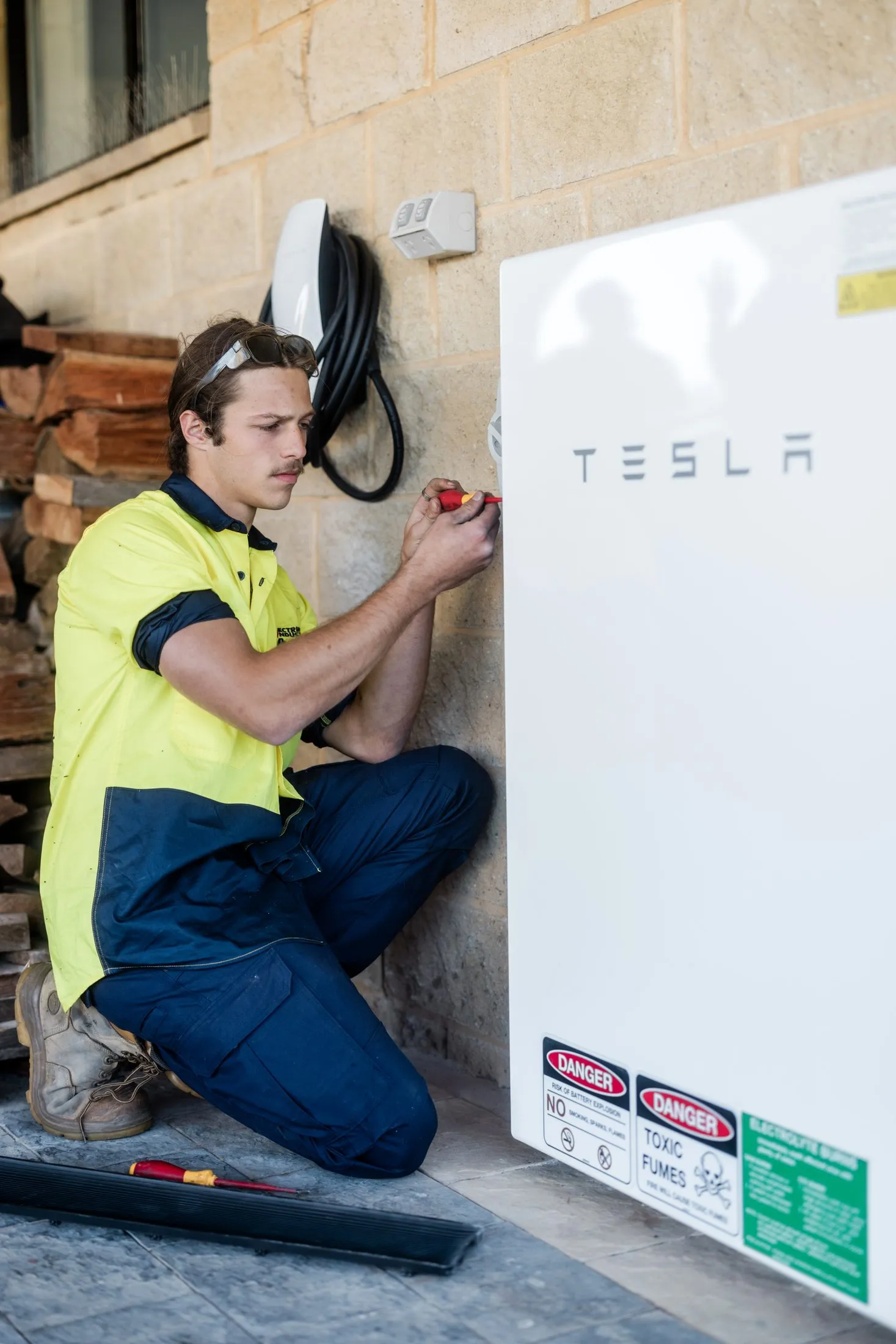
A commercial solar system is only worth it if it keeps generating and someone stands behind it. Here is what you get with a local, family-run, full-service team.
A commercial install is rarely just panels. Our own licensed electricians handle the switchboard and three-phase work, so one team is accountable for the whole job.
We build with quality panels and inverters and back every install with proper quality control, because a system only pays back if it keeps generating for its full life.
We work across Newcastle, Lake Macquarie, the Hunter and Maitland, and we are here for the support and maintenance afterwards, not a call centre interstate.
We size to your load rather than selling a system off a shelf, and we quote a real payback based on your bills, not a headline figure.
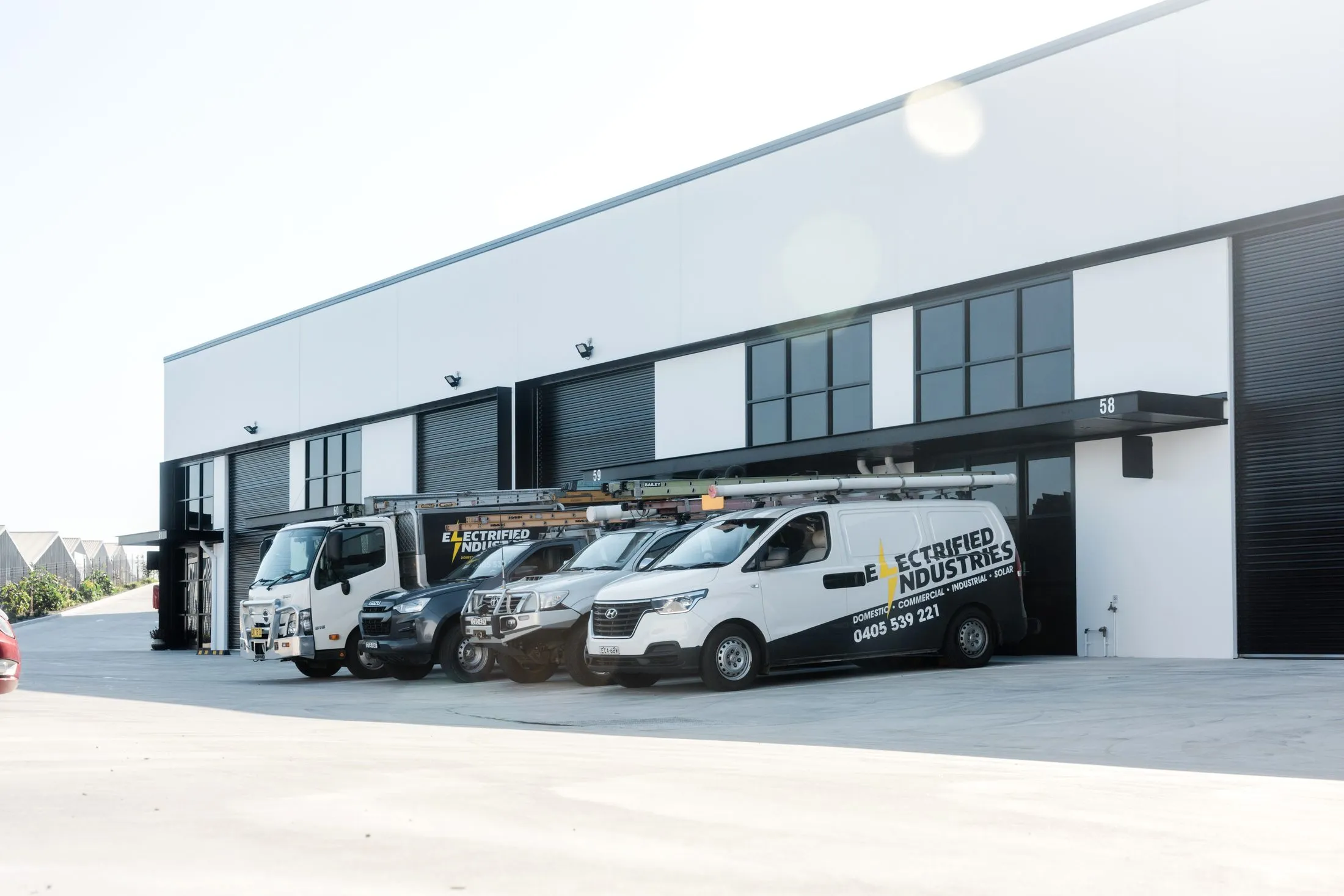
We install and support commercial solar right across the region: Newcastle, Lake Macquarie, the Hunter Valley, Maitland and the surrounding areas, covering a broad spread of light-commercial premises, from offices and shopfronts through to workshops, sheds and small warehouses. Wherever you are, the assessment is the same: we review your site, roof and bills, and size a system to suit. Explore solar in Newcastle, Lake Macquarie and the Hunter Valley.
Talk to a licensed local electrician, no obligation, straight answers.
For most businesses with high daytime power use and a suitable roof, yes. Because you use most of your power while the panels are generating, more of it offsets your bill directly, which is where the return comes from. The only way to know for certain is to assess your specific site and bills.
It depends on system size, your roof, any electrical work needed, and whether you add a battery. Rather than quote a figure that would not apply to your site, we give you a real cost after a site and bill review.
Payback is driven by your daytime self-consumption, your tariff and your system size, so it varies site to site. We calculate a realistic payback for your business as part of the assessment.
That comes down to your daytime consumption, your roof space and your supply. Commercial systems commonly range from around 10kW to well over 100kW, and we size the panels to your load rather than selling a standard package.
Small-scale Technology Certificates apply to systems up to 100kW and reduce the upfront cost; larger systems use Large-scale Generation Certificates instead. You may also be able to use asset write-off or depreciation, which is worth confirming with your accountant. See our solar rebates guide for the current detail.
Not always, but three-phase supply lets you run a larger system, and many commercial sites already have it. We check your supply as part of sizing and handle any upgrade if one is needed.
It depends on whether your usage extends past daylight and how your tariff is structured. Battery storage makes strong sense for some sites and is optional for others. We assess it case by case and can build the system battery-ready.
We plan the install around your operation to keep disruption to a minimum, and we talk you through the timeline up front so there are no surprises.
Yes. We are a full-service solar and electrical business, so the panels, the switchboard and any three-phase work are handled by the one team.
We cover Newcastle, Lake Macquarie, the Hunter Valley, Maitland and the surrounding areas. If you are nearby, get in touch and we will confirm.
Obligation-free quotes across Newcastle, Lake Macquarie & the Hunter.