Solar designed and installed by your local NETCC-approved team
Home and business battery storage, with rebates and finance sorted for you
Licensed electrical work across the Hunter
Areas we service Newcastle · Lake Macquarie · Hunter
Solar designed and installed by your local NETCC-approved team
Home and business battery storage, with rebates and finance sorted for you
Licensed electrical work across the Hunter
The right size isn’t the biggest one you can afford. It’s the system matched to how your home actually uses power. We size solar to your usage, roof and supply, and explain the reasons.
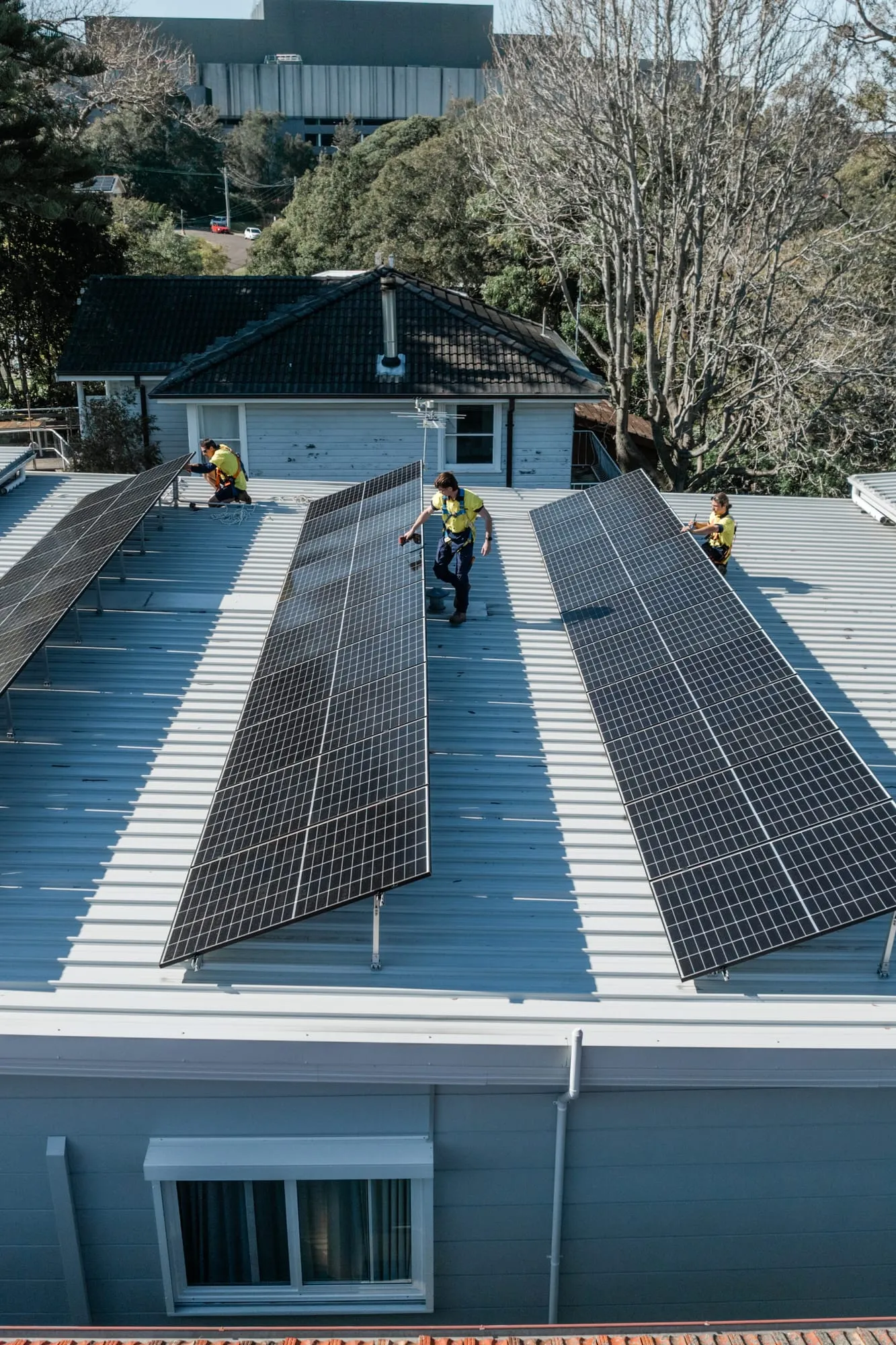
If you’re weighing up a 6.6kW, 10kW or something bigger, you’re asking the right question. Buy too small and you keep paying the grid for power you could have made yourself. Pay for too much and you export the surplus for a low return. The honest answer is that the right size comes from your home: your usage, your roof and your supply, not a headline number on a quote.
A system that overshoots your usage sends the extra power to the grid for a return that’s typically far lower than what you pay to buy power back. The real financial return comes from self-consumption: using the solar you generate rather than exporting it cheaply. A well-matched size usually beats an oversized one, which is why we size to what a home actually uses rather than pushing the biggest system we can sell.
The single biggest factor. A home with air-con, a pool pump or all-electric appliances burns far more kilowatt hours than a small household, so it needs a bigger system. We start with the kWh on your power bill.
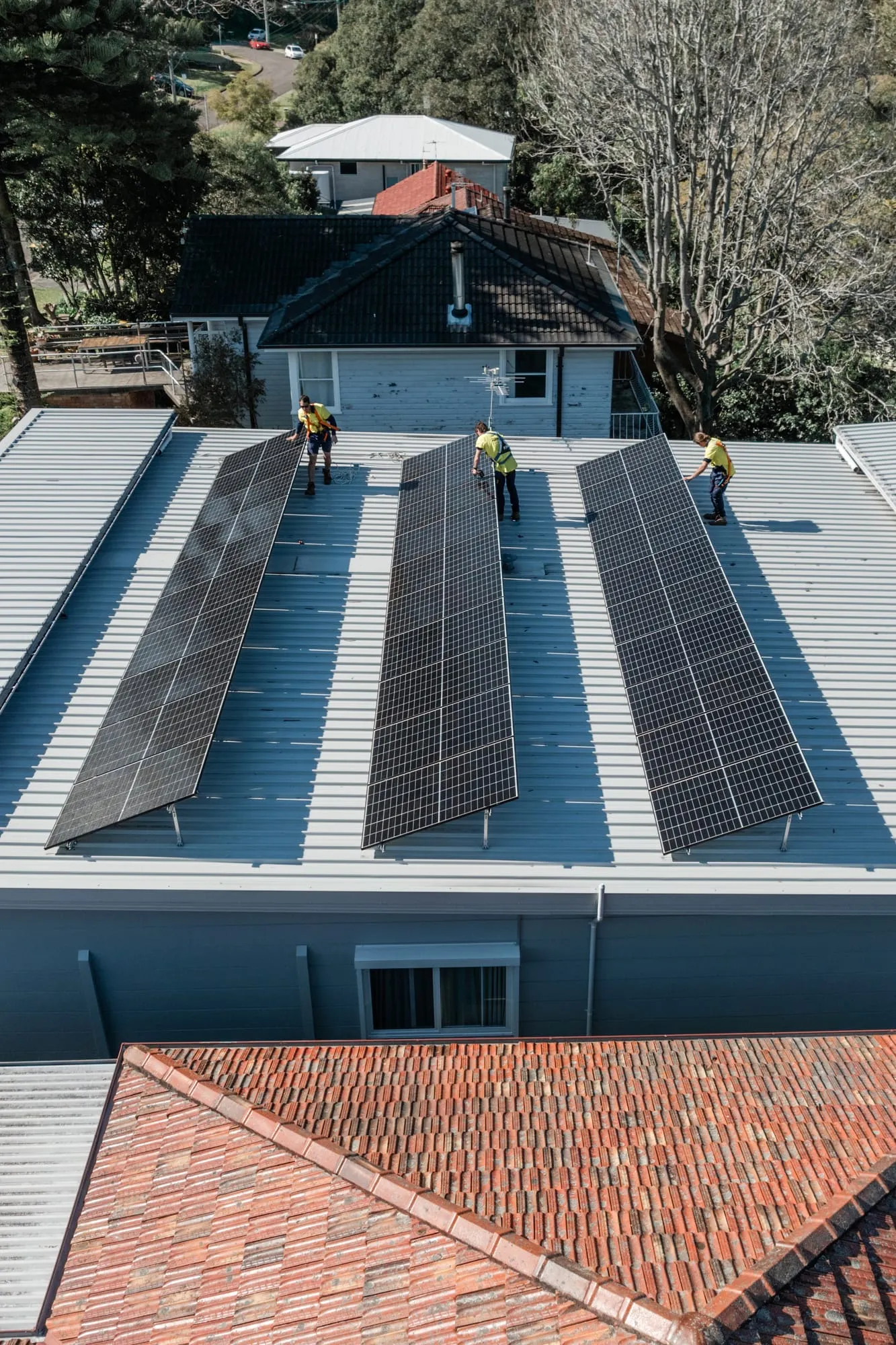
Your usable roof sets how many panels fit and how well they generate. Roof size, pitch, tilt, the direction panels face and any shading all shape output. North-facing space is the most productive.
Smaller systems sit on standard single-phase power. Larger systems often need a bigger inverter or three-phase supply, and sometimes a switchboard upgrade. Any network export limit shapes it too.
A quick self-check points the way: how many people are home during the day, whether you run air-con, a pool or electric hot water, how much sun-facing roof you have, whether you’re single- or three-phase, and if a battery or EV is likely soon. The more of these that point to high daytime usage, the larger the system that’s likely to suit, and a free assessment confirms it properly.
A plain-English guide to how the three common residential sizes stack up. Treat these as starting points, not rules. Your assessment confirms the right fit for your home.
Suits smaller households, modest daytime usage and roofs with limited usable space. Usually sits comfortably on single-phase power with fewer supply hurdles, and needs less roof.
Suits larger family homes with higher daytime usage, and homes that want headroom to add a battery or EV later. Often needs a larger single-phase inverter or three-phase supply.
Built for high-consumption, all-electric homes: ducted air-con, a pool, electric hot water and cooking, plus an EV and battery in the plan. Usually three-phase.
| At a glance | 6.6kW | 10kW | 13kW |
|---|---|---|---|
| Typical household | Smaller homes, modest daytime usage | Larger family homes, higher daytime usage | High-consumption / all-electric homes |
| Supply | Usually single-phase | Larger single-phase or three-phase | Usually three-phase |
| Battery / EV headroom | Limited headroom | Good headroom | Best for battery + EV plans |
Generation, panel counts and roof space vary with the wattage of the panels used and your roof, so we confirm those for your home at assessment rather than print a number that won’t fit. As an industry guide, a 10kW system is usually around 25 to 30 panels paired with an 8kW to 10kW inverter, needs roughly 50 to 65 square metres of usable roof, and generates about 35 to 44 kWh a day in Australian conditions.
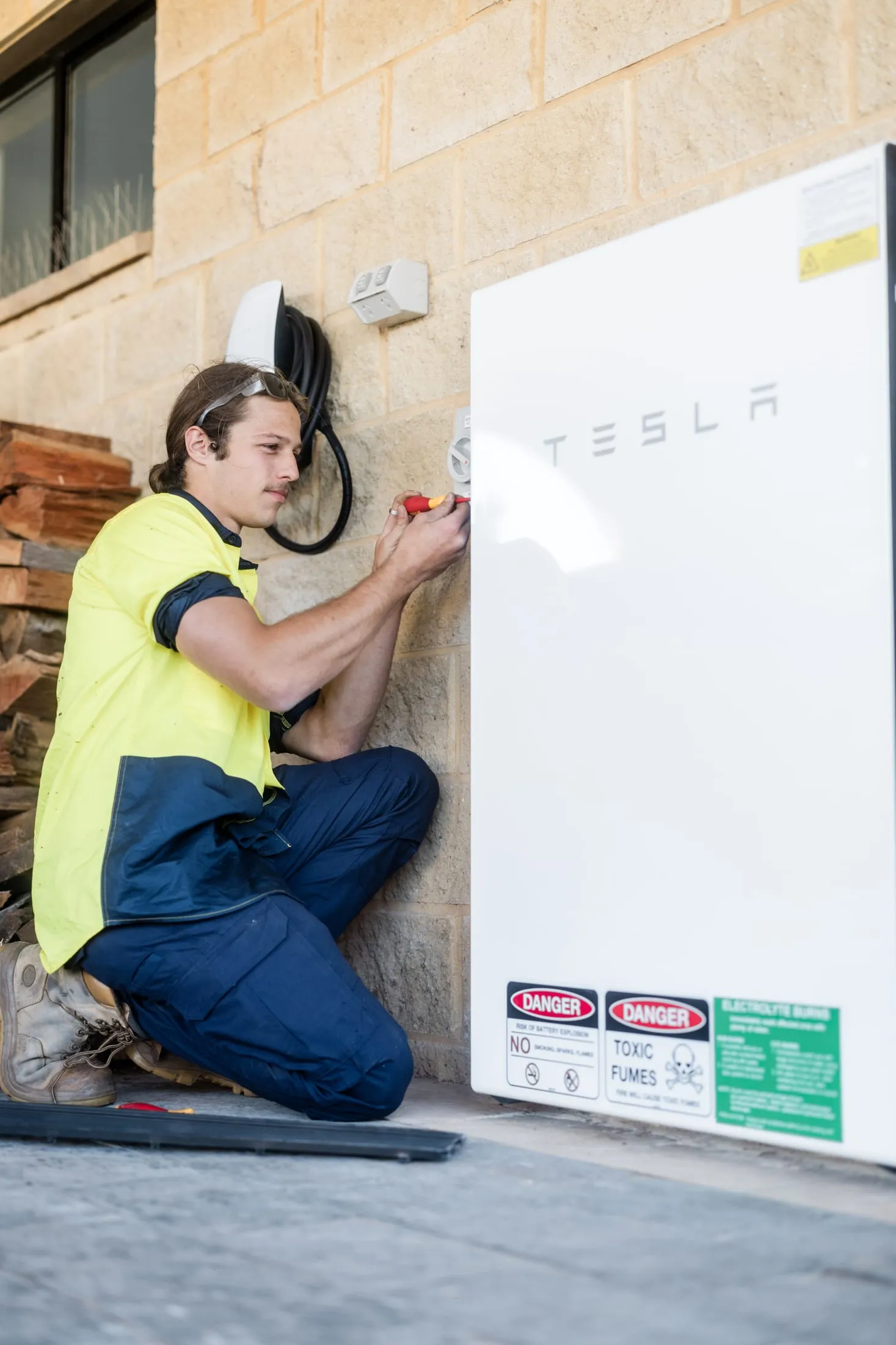
If a battery or EV charger is on your horizon, it changes the sizing maths, so it’s worth factoring in now. A battery stores the surplus daytime generation you’d otherwise export, ready for the evening. A 10kW system with battery storage is a common pairing for exactly this reason.
An EV lifts your household energy use once you start charging at home, which points to a larger array and possibly switchboard or charger work. Planning that headroom now is usually cheaper and cleaner than resizing later, but we treat it as a considered factor, not an automatic reason to upsize. If the plans are real, we size for them; if they’re not, we won’t have you paying for capacity you don’t need.
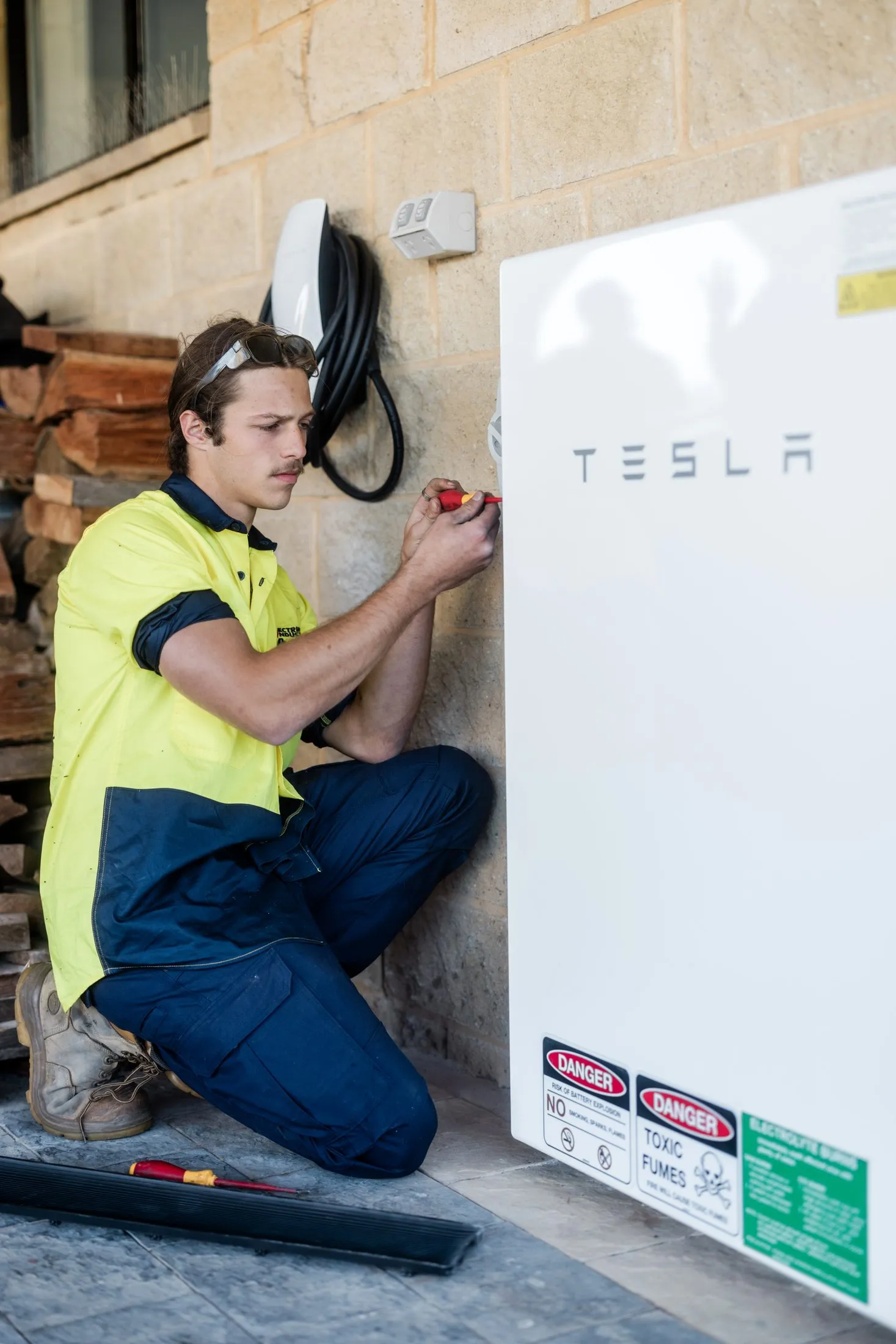
Whichever size you’re leaning towards, the next step is the same: a quick, obligation-free assessment that sizes to your home, not a sales target.
We look at the kilowatt hours on your bill and how your household uses power across the day, the honest starting point for sizing.
We measure your usable, sun-facing roof and check your supply, switchboard and grid connection to see what will physically fit and generate well.
We match a system to what your home actually uses, and explain the reasons, rather than pushing the biggest one we can sell.
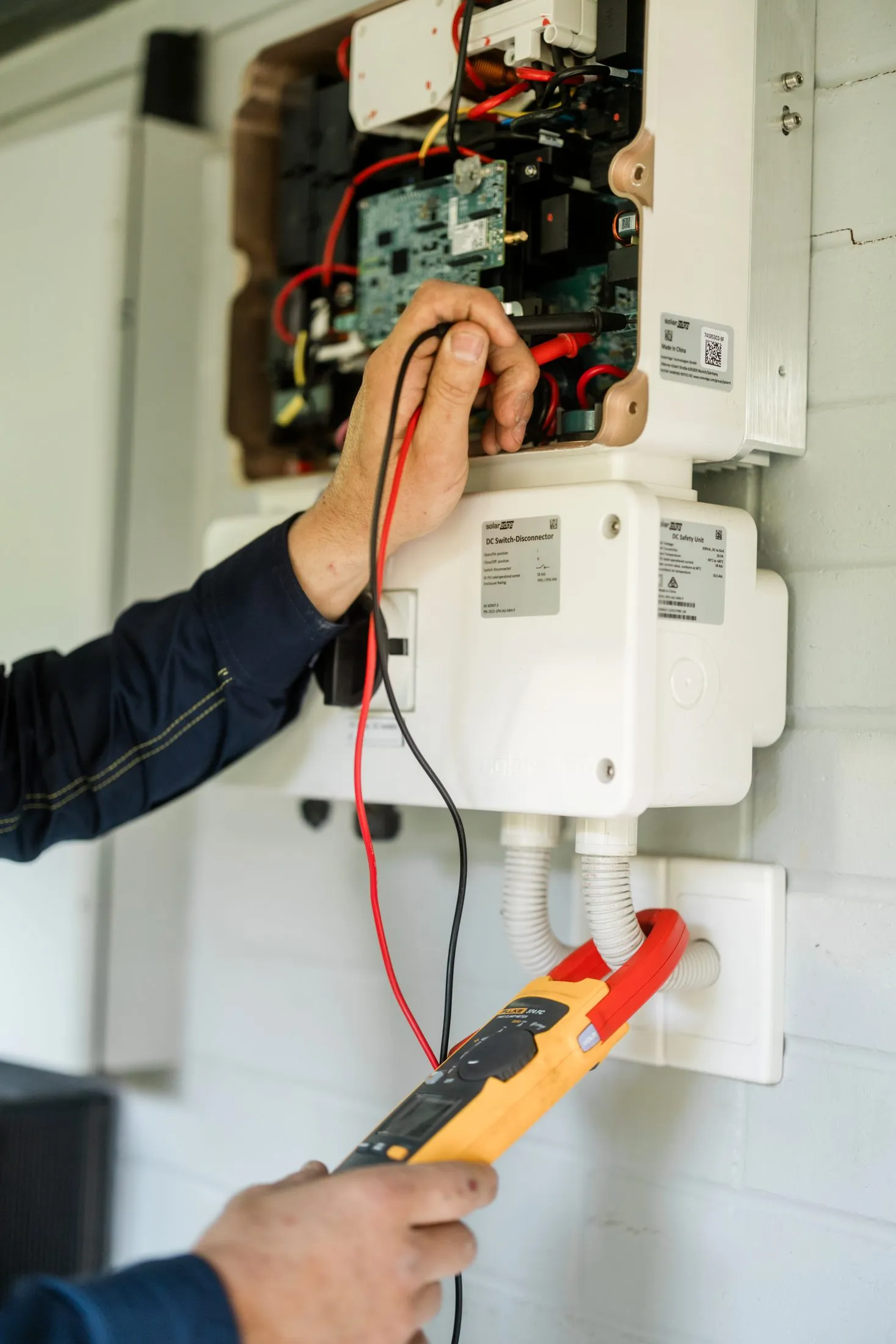
One accountable local crew installs the solar and handles any switchboard or three-phase work a larger system needs.
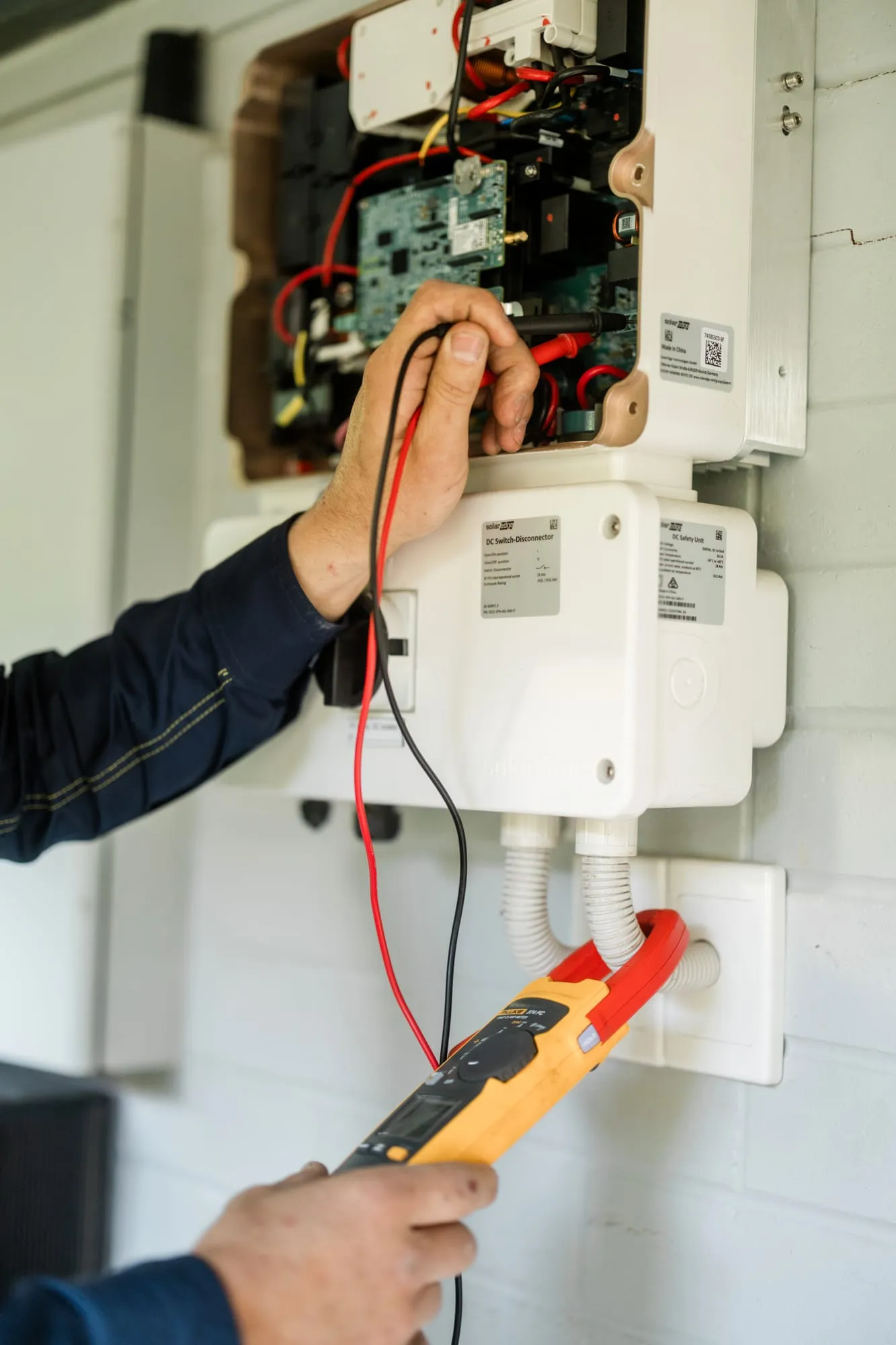
Stepping up to a 10kW or 13kW system can trigger a larger inverter, a three-phase supply or a switchboard check. Because we’re full-service, the same team handles it in-house, no lining up a separate electrician. See our switchboard upgrades page for the electrical side.
kW is the size of your panel system, kWh (kilowatt hours) is the amount of energy you use, and the inverter converts the DC the panels make into the AC your home runs on. Panel wattage sets how many panels make up a given kW.
Output depends on the panel capacity you install, the inverter behind it, your roof and the weather. As a rough industry guide, a 10kW system generates about 35 to 44 kWh a day in Australian conditions, enough to cover a large share of a family home’s daytime use. NSW homes see roughly 4 to 5 peak sun hours a day on average, and north-facing panels make the most of them.
Your real figure comes from your assessment, not a headline number. What matters most is self-consumption. A well-matched size that you actually use beats an oversized one that exports cheaply.
Smaller systems sit comfortably on standard single-phase power. Larger systems often need a bigger single-phase inverter or a three-phase supply, and sometimes a switchboard upgrade. Your grid connection, and any export limit set by the network, also shape how much you can install.
This is a grid-connected setup, not an off-grid system, so you stay connected and simply export what you don’t use. We check your supply and switchboard as part of sizing, and handle any upgrade in-house.
Price scales with system size, but so do the variables behind it. Rather than publish a figure that won’t match your home, here’s what actually drives the cost, and we confirm exact pricing, savings and payback at your free assessment.
As an industry guide, a well-matched 10kW system in Australia typically pays for itself in around 3 to 6 years, and installers generally recommend self-consuming at least 30% of what you generate to keep that payback short. A short payback comes from using your own power; a long one usually means you’re exporting too much of it. Rebates are covered on our solar rebates page.
Because we do both solar and electrical, one accountable local crew sizes your system and handles any switchboard or three-phase work a larger system needs, no juggling two contractors.
One local team sizes your system and does any switchboard or three-phase work a 10kW or 13kW system needs. Solar-only installers can’t offer that.
We size to your actual usage and roof, and explain the reasons. If a smaller system is the smarter buy for your home, we’ll tell you.
Quality panels and inverters matched to your roof and supply, so the energy production holds up over the life of the system.
We serve Newcastle and the Hunter, and we’re around for support and maintenance after the install, not just the sale.
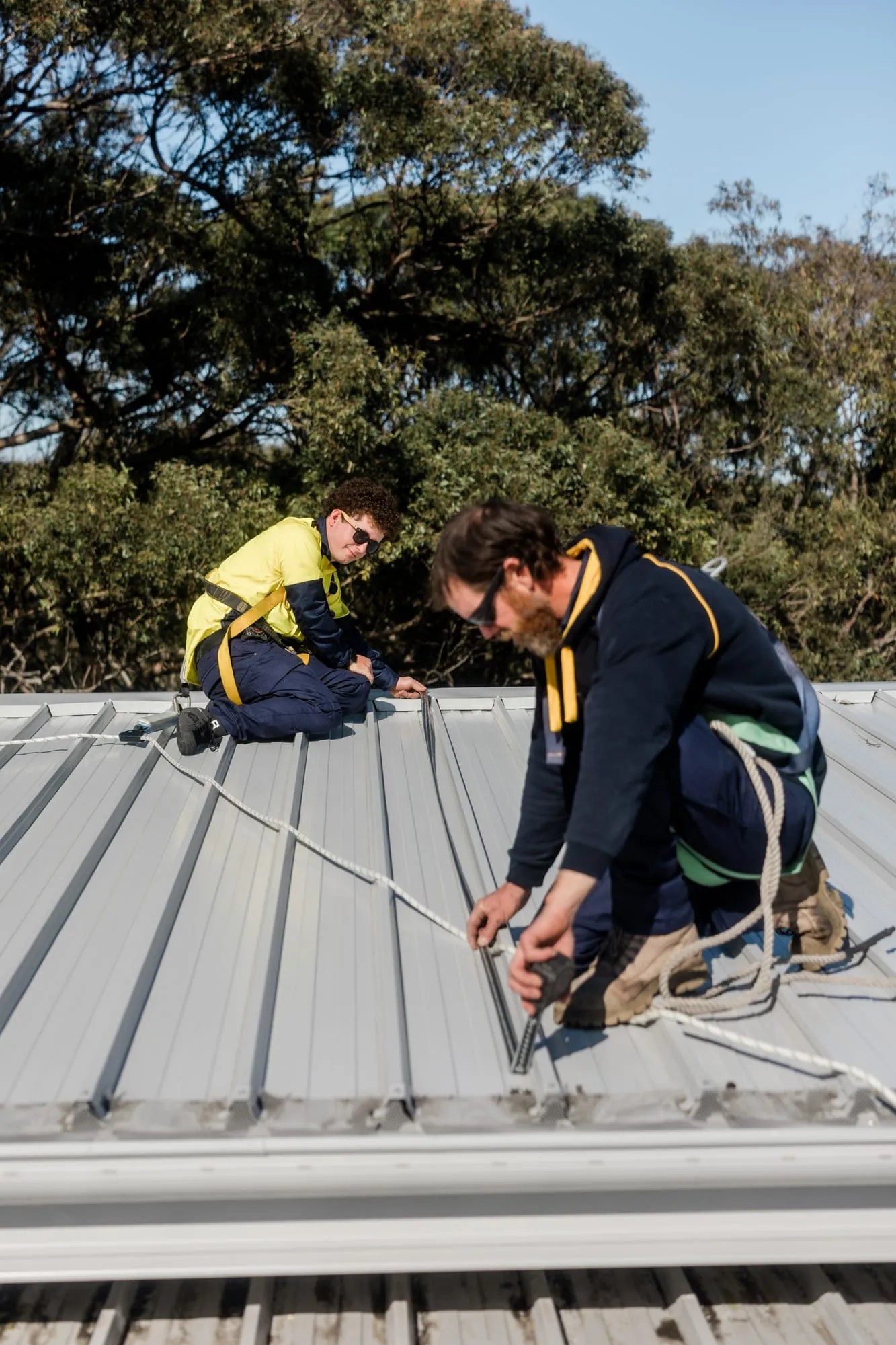
Talk to a licensed local electrician, no obligation, straight answers.
It depends on your usage, not the kW alone. A 6.6kW system covers a healthy share of daytime power for many average households, but it can run tight for high-consumption or all-electric homes. A quick look at your bill tells us for certain.
A 10kW system generates more energy, around 35 to 44 kWh a day as an industry guide, and suits larger homes using more than roughly 35 to 40 kWh a day, with headroom for a battery or EV. A 6.6kW system is smaller, usually single-phase-friendly, and suits modest usage or limited roof space.
As an industry guide, a 10kW system needs roughly 50 to 65 square metres of usable, sun-facing roof. The exact figure comes down to how many panels make up the system and the roofing material underneath. Higher-wattage panels mean fewer panels for the same kW and less roof. We measure and confirm the layout at your assessment.
As a general industry guide, a 10kW system generates about 35 to 44 kWh a day in Australian conditions. The real figure depends on your roof, orientation, tilt and the weather, so it varies home to home. We give you a realistic figure for your roof at your assessment rather than a headline number.
As an industry guide, a 10kW system is usually around 25 to 30 panels with an 8kW to 10kW inverter, and a 13kW system uses proportionally more. It depends on the wattage of the panels used. Higher-wattage panels mean fewer panels for the same kW. We confirm the exact count and layout for your roof at assessment.
Often, yes, or at least a larger single-phase inverter for a 10kW system, and usually three-phase for a 13kW. We check your supply, grid connection and switchboard as part of sizing, and because we’re full-service, we handle any upgrade in-house.
Both increase what your home uses, so it usually pays to size with headroom now. A 10kW solar system with battery storage is a common pairing. We factor real, planned battery and EV use into the sizing rather than upsizing for the sake of it.
In many cases, yes. We’ll assess your current setup, roof, inverter capacity and supply, and advise whether adding capacity or replacing the system is the better route for your home.
The cost scales with size, plus panels, inverter, roof access and any electrical work. We give you an accurate figure at your free assessment rather than a headline number that may not fit your home.
Newcastle, Lake Macquarie, Maitland and the wider Hunter region. If you’re nearby, get in touch and we’ll confirm.
Obligation-free quotes across Newcastle, Lake Macquarie & the Hunter.